Electronics
Insulators, substrates, sensor housings, piezo elements and ferrite cores.
- Al₂O₃
- BaTiO₃, PZT
- ferrites
3D printing of technical ceramics and metals
We print parts on industrial DLP and SLA printers in alumina, zirconia, silicon carbide, piezoceramics, bioceramics, titanium, gold, silver and copper. From a single prototype to series production.
What we make
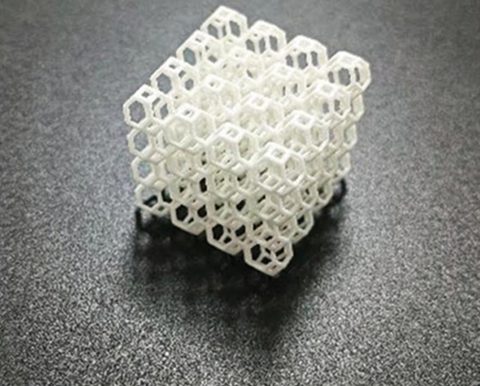
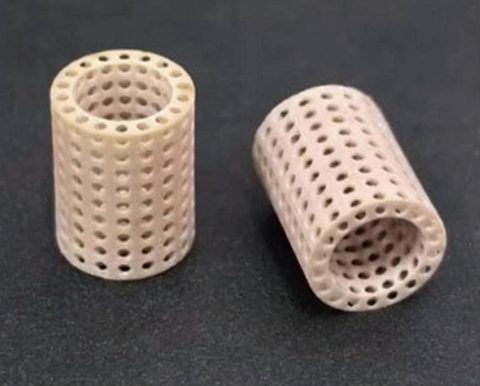
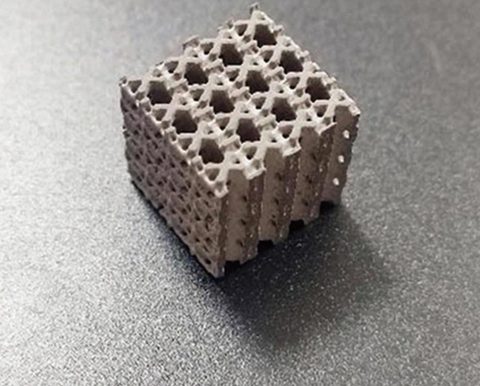
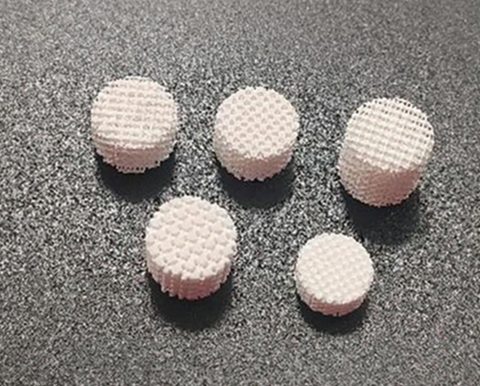
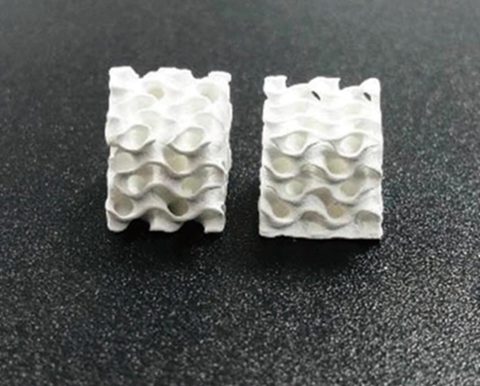
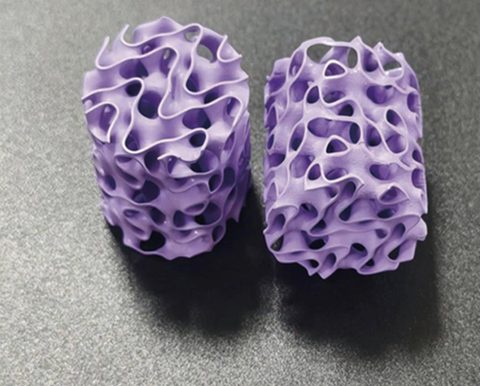
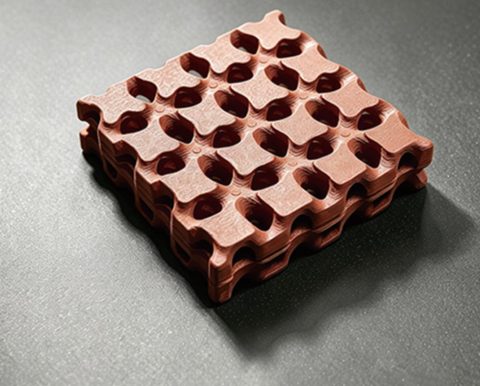
Thin walls, lattices, internal channels, porous structures — the printer builds the part layer by layer, so a complex shape costs no more than a simple one.
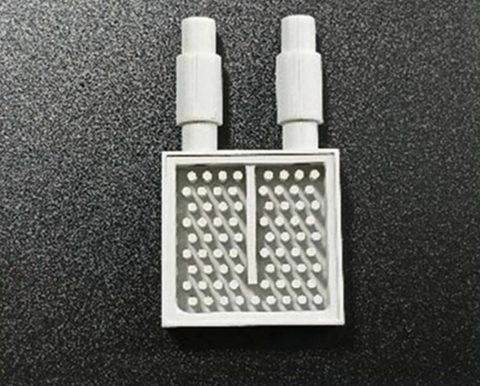
Insulators, substrates, sensor housings, piezo elements and ferrite cores.
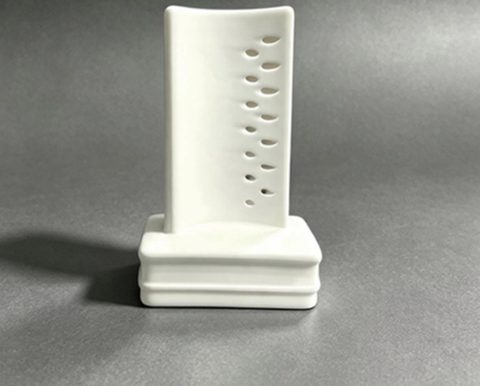
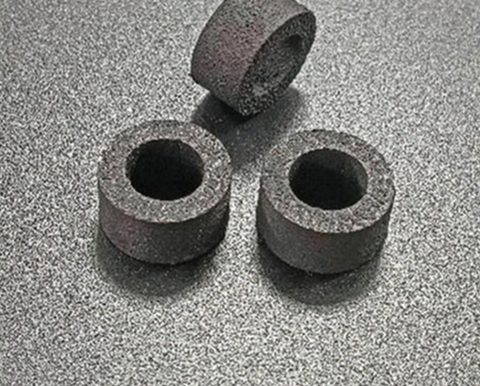
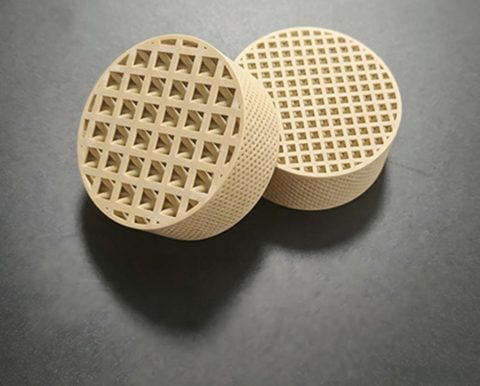
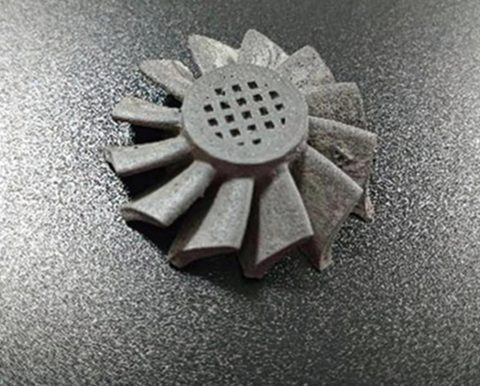
Wear-resistant nozzles, bushings, impellers, filters, honeycomb catalyst carriers, heat-resistant tooling.
Silicon carbide parts with Mohs hardness 9 and almost zero shrinkage: holders, cassettes, furnace and vacuum chamber parts.
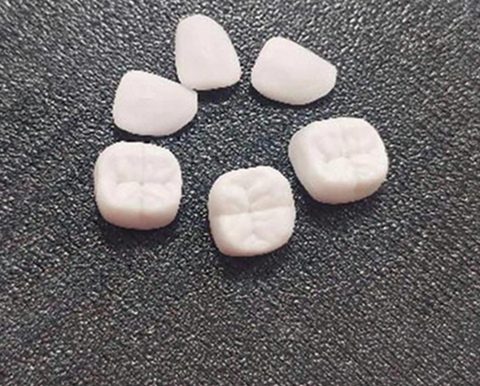
Zirconia crowns and prostheses, porous bone scaffolds, bioactive glass.
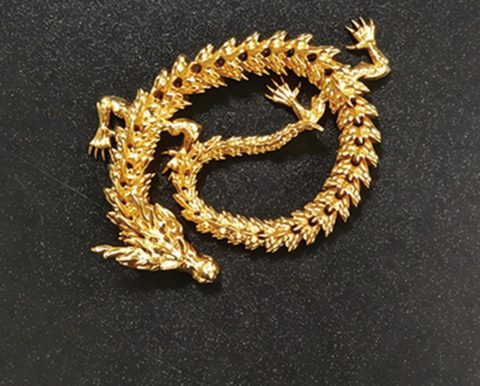
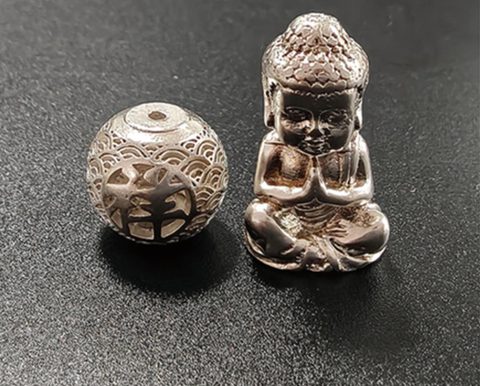
Pendants, beads, figurines and gifts in gold, silver and copper with fine detail.
Prototypes in new materials: a test print needs less than 5 ml of slurry. We can develop a slurry for your application.
How it works
Ceramic or metal powder is mixed with a light-sensitive resin into a thick slurry. Light cures each layer; after printing, the resin is burned out and the part is sintered into a dense material.
We check the 3D model, add supports and scale it up to compensate for sintering shrinkage.
A blade spreads a thin 10–200 µm layer of slurry; a projector (DLP) or laser (SLA) cures the outline.
The printed “green” part is heated slowly — the resin burns out, leaving a powder skeleton.
High-temperature firing turns the skeleton into dense ceramic or metal — over 99% relative density.
About shrinkage. Parts shrink during sintering: alumina by about 17%, zirconia by 24%, silicon carbide by only 0.1%. We build this into the model in advance so the finished part comes out at the right size.
Materials
Structural, functional and bioceramics, titanium alloy and precious metals. If the material you need is not listed, we can develop a slurry together.
| Property | Al₂O₃ (D99) | Al₂O₃ (PTD) | ZrO₂ (3Y) | SiO₂ | SiC |
|---|---|---|---|---|---|
| Slurry | |||||
| Powder purity, % | ≥99 | ≥99 | ≥99 | ≥99 | ≥99.9 |
| Solid content by mass, % | 80 | 90 | 80 | 80 | 75 |
| Viscosity, mPa·s | 2600 | 2118 | 2440 | 7500 | 8200 |
| Finished part | |||||
| Shrinkage, % | 16.7 | 5.6 | 24.2 | 1.1 | 0.1 |
| Relative density, % | >99 | >99 | >99 | >90 | >90 |
| Density, g/cm³ | 3.77 | 3.77 | 5.92 | — | 3.06 |
| Porosity, % | <1 | — | <1 | <10 | 0.36 |
| Flexural strength, MPa | 500 | 302 | 926 | 70 | Mohs 9 |
| Thermal expansion, 10⁻⁶/K | 8.8 | — | 11.5 | — | — |
Equipment
Industrial ceramic and metal printers by Junjing Technology. Wavelength: 405 nm for DLP, 355 nm for SLA. Z-axis repeatability: 10 µm. Model formats: STL and CLI.
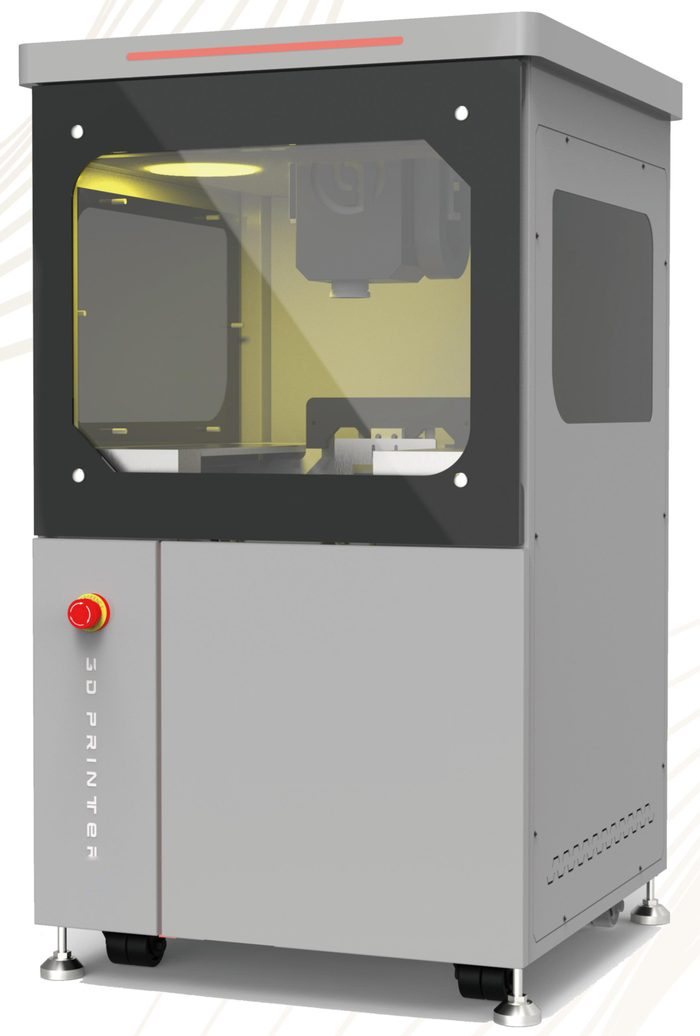
The highest precision. Two vats allow printing with different slurries, and the vat can be heated up to 60 °C for thick slurries. A test print needs less than 5 ml of slurry — ideal for R&D and small batches.
| Model | Build area, mm | Pixel | UV power |
|---|---|---|---|
| J²-D96P | 96 × 54 × 100 | 50 µm | 0–50 mW/cm² |
| J²-D67P | 67.2 × 37.8 × 100 | 35 µm | 0–90 mW/cm² |
| J²-D20P | 20.7 × 11.6 × 100 | 10.8 µm | 70–200 mW/cm² |
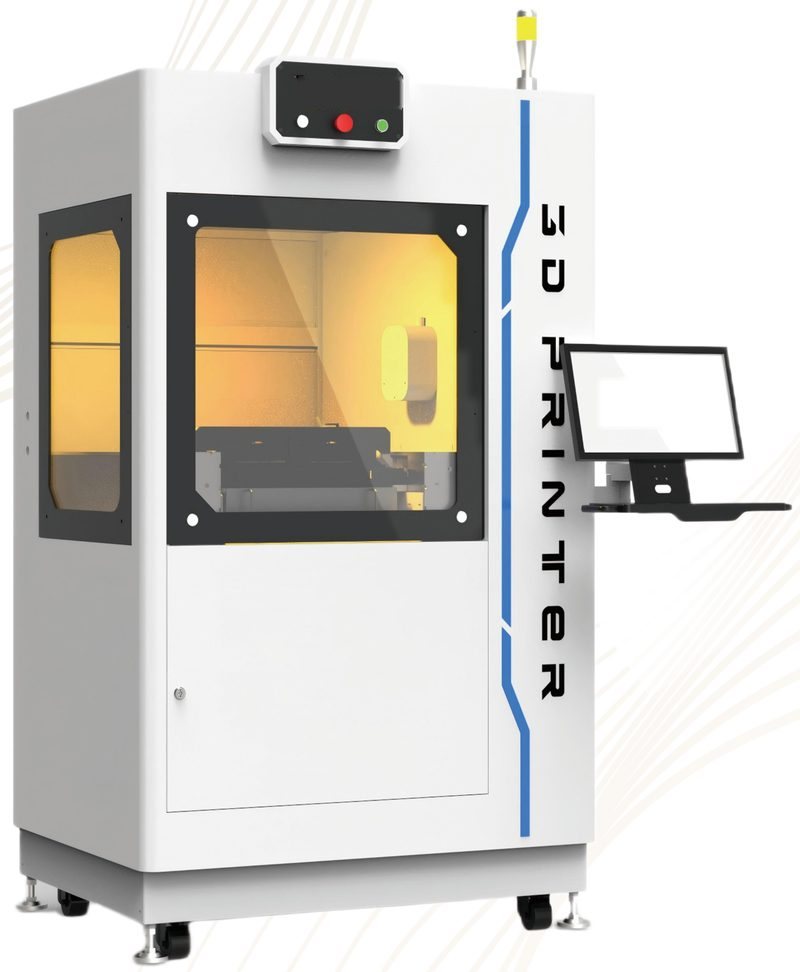
A high-power 4K projector cures a whole layer at once: large platform, high speed and stability. Suited to series production.
| Model | Build area, mm | Pixel | UV power |
|---|---|---|---|
| J²-D384P | 384 × 216 × 200 | 100 µm | 0–25 mW/cm² |
| J²-D202P | 288 × 162 × 200 | 75 µm | 0–30 mW/cm² |
| J²-D201P | 192 × 108 × 200 | 50 µm | 0–40 mW/cm² |
| J²-D200P | 153.6 × 86.4 × 200 | 40 µm | 0–55 mW/cm² |
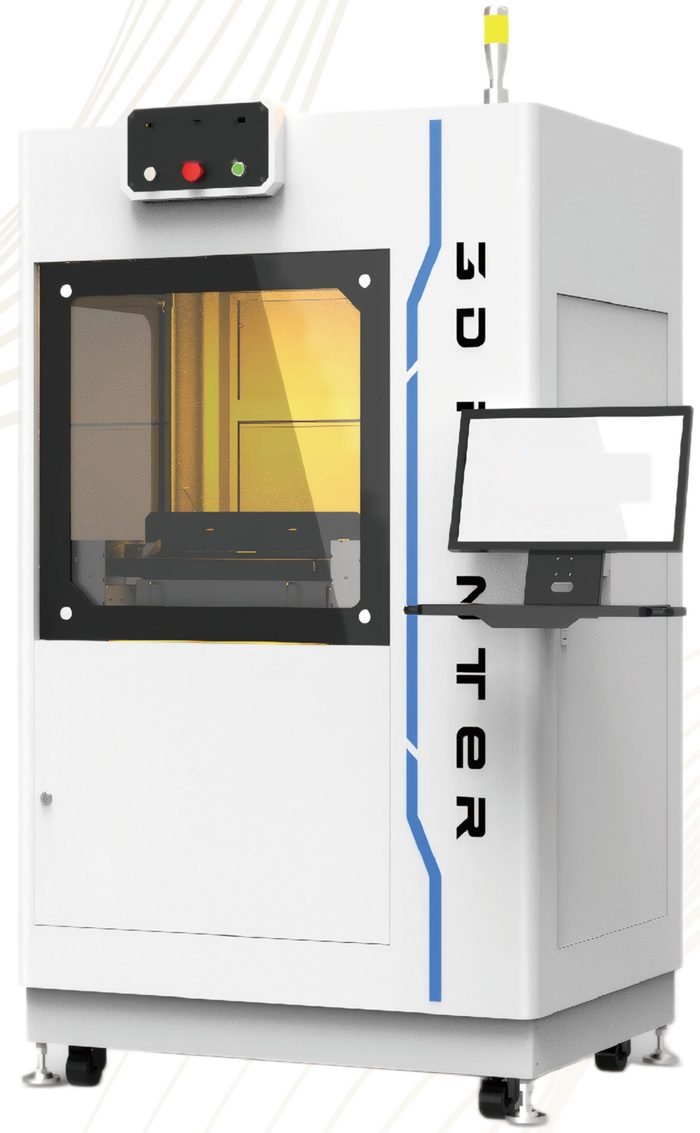
A 1 W laser traces the outline of each layer. Works with both light and dark slurries (such as silicon carbide); round platform up to 300 mm.
| Model | Build area, mm | Speed | Laser |
|---|---|---|---|
| J²-S100 | Ø100 × 150 | 120 layers/h | 1 W, 355 nm |
| J²-S200 | Ø200 × 150 | 90 layers/h | 1 W, 355 nm |
| J²-S300 | Ø300 × 150 | 60 layers/h | 1 W, 355 nm |
Size & accuracy
Printer platforms to scale, top view. The smaller the build area, the finer the pixel and the thinner the features.
The finished part is smaller than the build area by the material’s shrinkage.
How to order
FAQ
Yes. The dual-vat DLP printer is designed for single prototypes and small batches; the industrial DLP and SLA printers handle series production.
During sintering the material densifies and the part shrinks: from 0.1% for silicon carbide to 24% for zirconia. We scale the model up in advance, so you get the part at the right size.
A 3D model in STL or CLI format. If you don’t have a model, send a drawing or sketch and we’ll prepare one.
The smallest exposure pixel is 10.8 µm and the minimum layer is 2 µm. That allows thin lattices, micro-channels and jewellery-level detail.
Printing slurries can be developed jointly for your application. A test print needs less than 5 ml of slurry.
It depends on the material, size and quantity. Send your model through the form and we’ll give you an exact price and lead time.